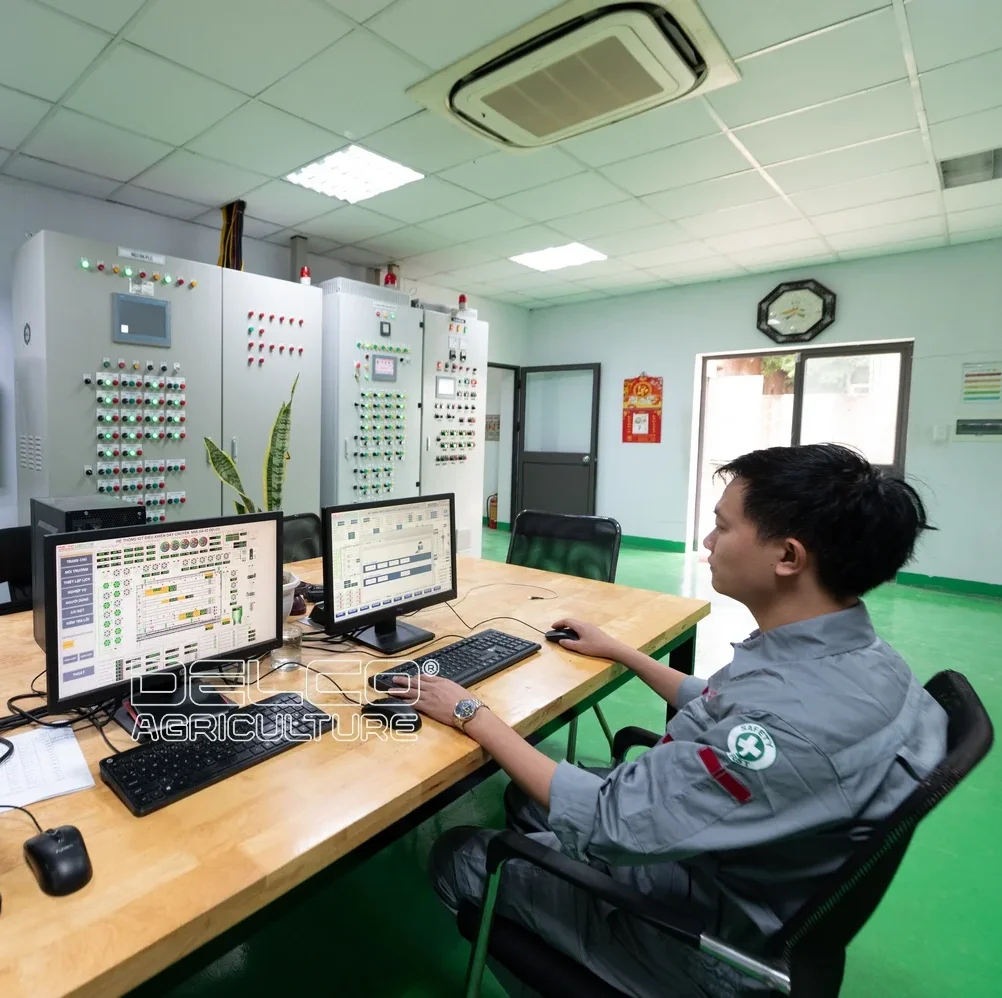
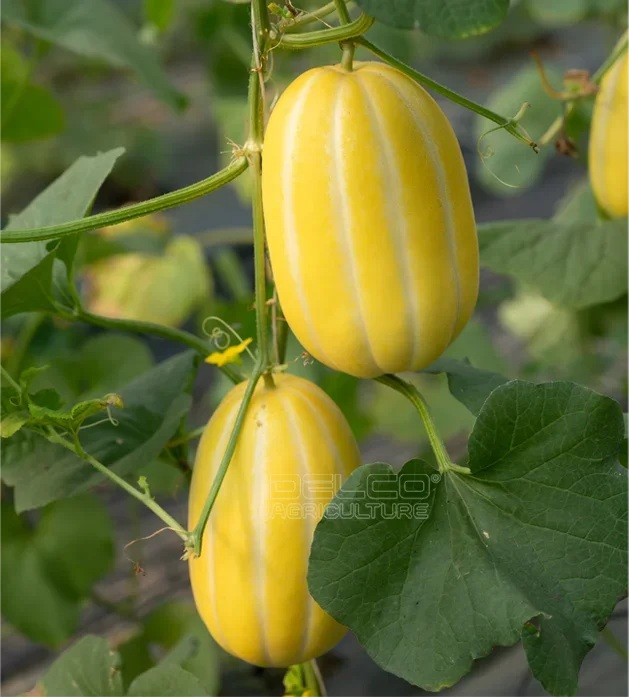
A closed-loop circular farm is an agricultural production model that organizes livestock farming in a closed system, integrating circular solutions for waste treatment and resource reuse. Waste streams generated from one stage are collected, processed, and cycled back as inputs for another stage, aiming to reduce emissions, optimize resource use, and improve overall operational efficiency. In practice, this model does not necessarily need to be fully implemented from the beginning. Most farms in Vietnam, particularly in the North, tend to start with a stable closed model and only add circular elements when the actual need arises.
.
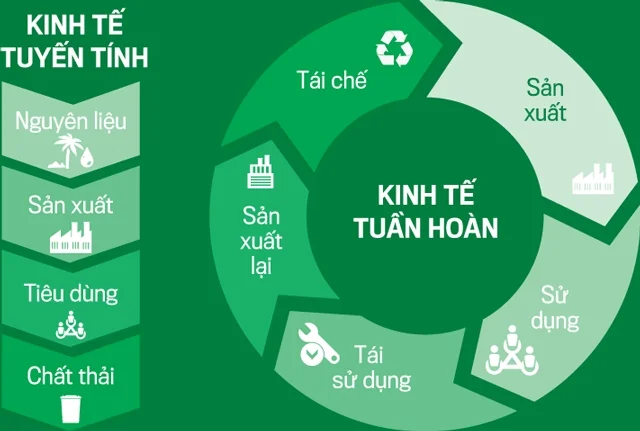
When should a farm choose a closed-loop circular model?
The core issue is not whether circularity should be applied, but when it should be introduced. In most cases, upgrading to a circular model only makes sense once the closed farming system is already operating in a stable, safe, and efficient manner.
For farms that are planned from the outset at a large scale, or that aim to meet ESG standards or develop a fully integrated closed-loop circular system, preparation must be made early. Land-use planning, legal compliance, material flow design, and economic efficiency need to be considered in an integrated manner from the design stage. In reality, many farms only realize post-operation that they lack available land, face constraints due to environmental safety distance regulations, or don’t have the infrastructure to add waste treatment, water reuse, or energy systems. At that point, upgrades are often more expensive and risk disrupting production.
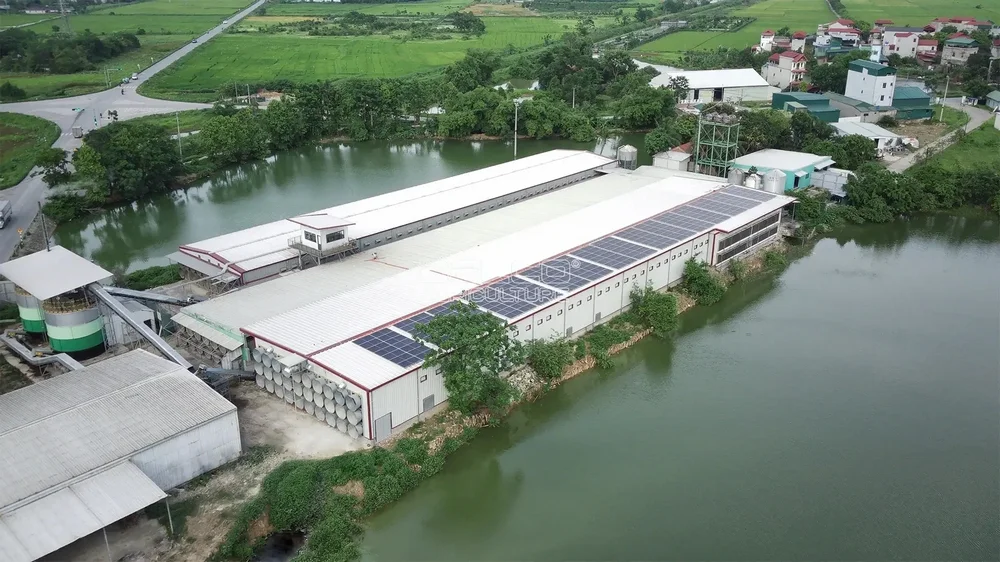
Closed-system operations as the necessary foundation before circularity
At the early stage, closed-system farming is not primarily a question of equipment, nor is it limited to enclosed housing, cooling systems, or reducing external contact. The core lies in how the entire operational system is organized to control biological risks and maintain a stable, repeatable, and predictable production environment.
The focus of a closed system is controlling one-way flows—including people, vehicles, materials, air, water, and waste. All flows must be clearly separated between clean and contaminated zones to minimize cross-contamination and ensure biosecurity.
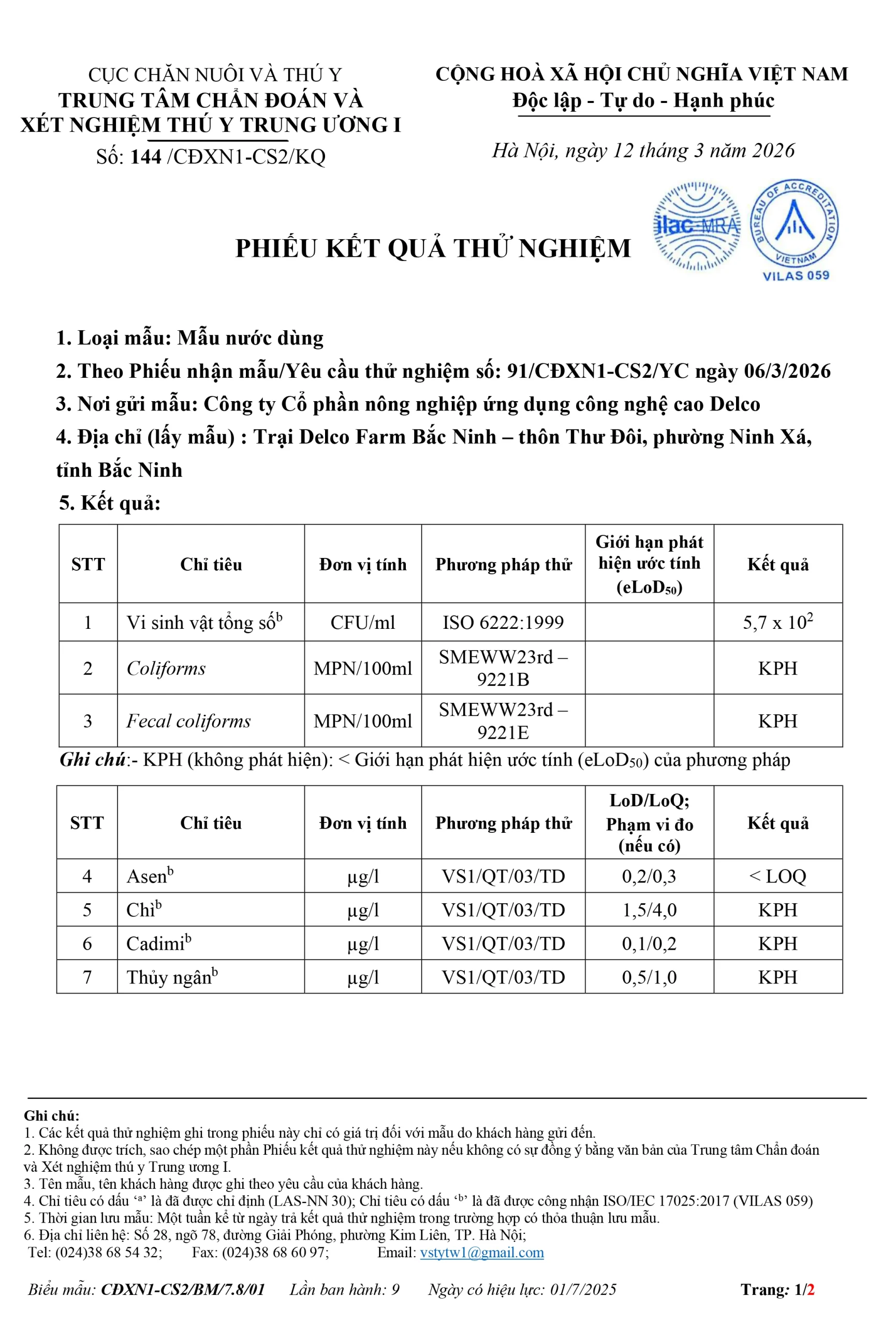
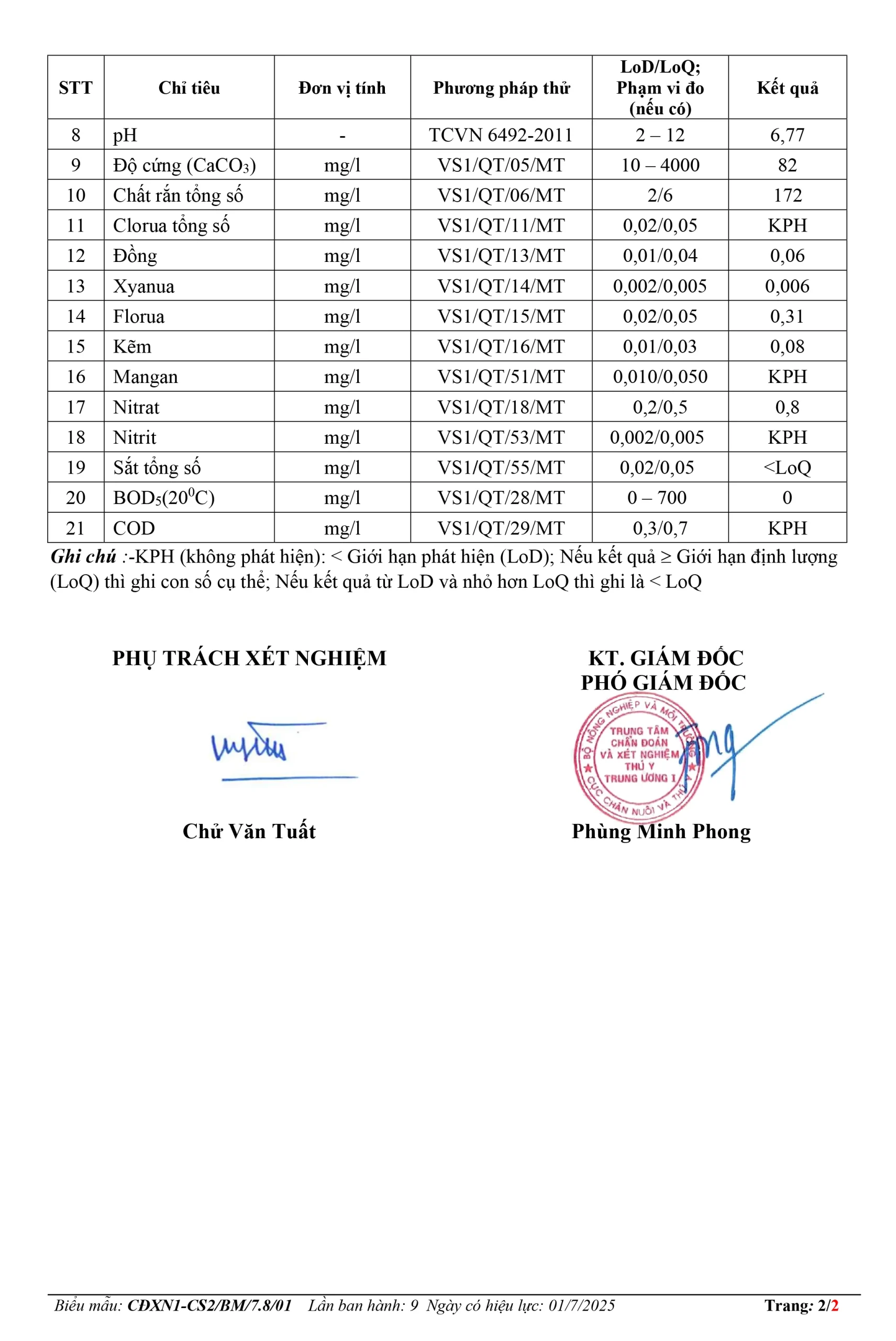
At this stage, the farm tightly controls inputs such as breeding stock, feed, water, and veterinary medicine. Livestock care, rearing, and harvesting processes are internally managed, reducing dependence on external factors. Waste and by-products are collected and treated at a basic level to meet discharge standards appropriate for the current scale.
For many small- to medium-sized farms in northern Vietnam—such as those raising several thousand pigs or tens of thousands of poultry—the amount of daily waste remains within the capacity of mechanical treatment. In a context of limited land and high population density, where environmental pressure is not yet critical, simply operating a closed system is a reasonable choice. It allows the farm to focus resources on core production without having to invest prematurely in circular infrastructure when profit margins are still thin.
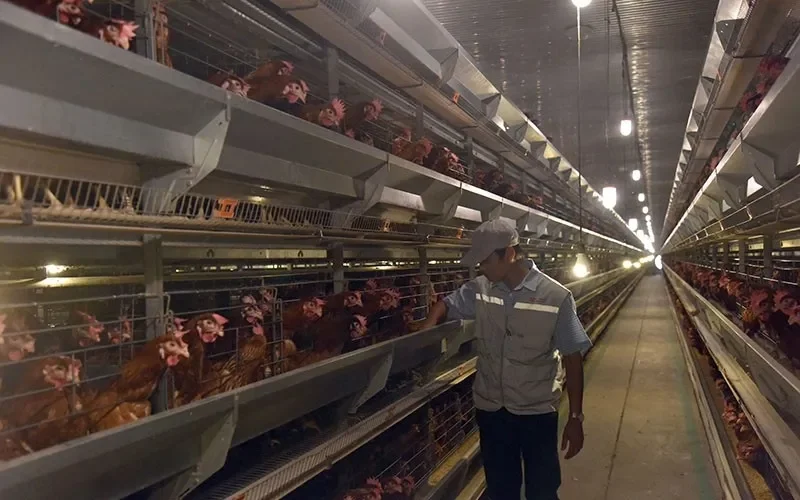
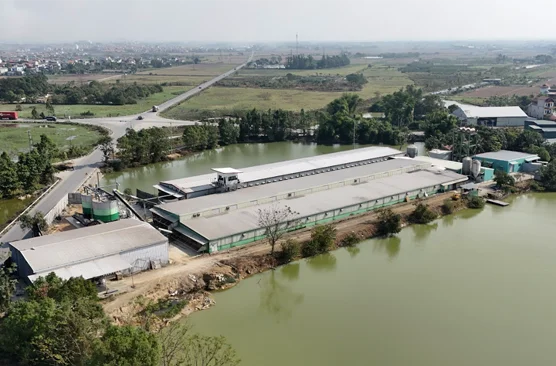
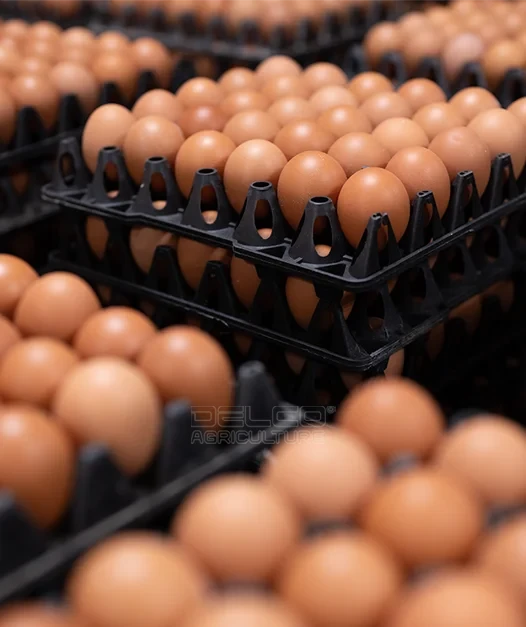
Industrial egg-laying chicken farm model at DELCO Farm
Upgrading to circularity to optimize the agricultural model
Circularity only becomes a real need for large-scale farms when the closed model begins to show limitations in operating costs. At this stage, the challenge is no longer about technical control, but the rising costs of waste and by-product treatment as herd size increases.
As livestock numbers grow to industrial scale, the volume of manure, wastewater, and by-products generated daily exceeds the capacity of basic treatment methods. For farms raising hundreds of thousands of poultry or tens of thousands of pigs, daily waste volumes can reach dozens or even hundreds of cubic meters. At this level, merely collecting and treating waste to meet discharge standards is no longer a sustainable or economical solution.
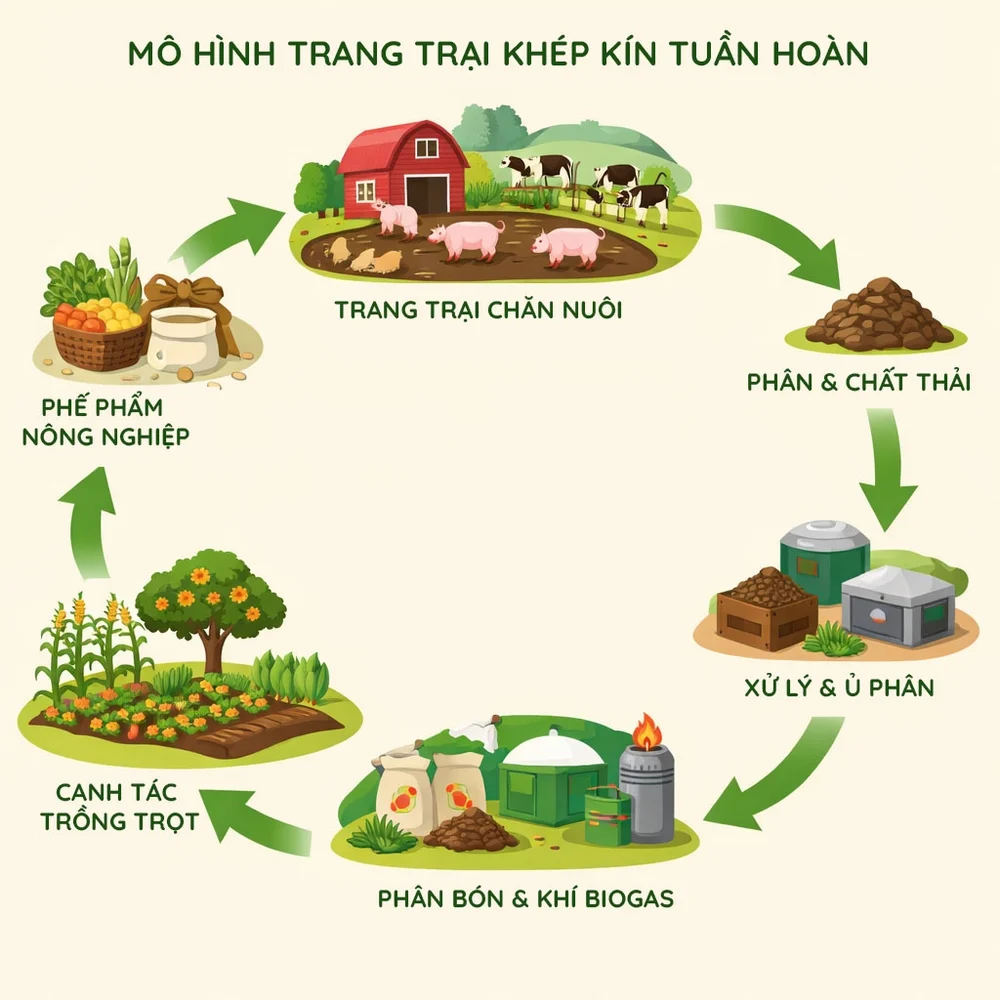
In northern Vietnam, this pressure typically arises sooner due to high population density and limited land availability. Shrinking environmental safety distances mean any treatment failure can quickly escalate into a serious issue. At the same time, frequent rainfall increases the risk of secondary pollution if by-products are not processed and reused promptly.
In this context, circularity offers clear benefits: reusing organic manure for crops, treated wastewater for irrigation or fish farming, and biogas for energy. This helps reduce long-term operating expenses (OPEX), creates room for scaling up, and lowers regulatory pressure, leading to more stable profit margins over a ten- to fifteen-year operational cycle.
At this stage, circularity is no longer just about sustainability—it’s about reorganizing material flows to keep the system optimized. Internal reuse of by-products helps reduce long-term costs, regulatory burden, and opens up room for future expansion.
Stage investment to avoid operational overload
A closed-loop circular model does not need to be implemented all at once from the beginning. For most farms—especially in early stages or at medium scale—a closed model is sufficient to ensure effectiveness, biosecurity, and stable production.
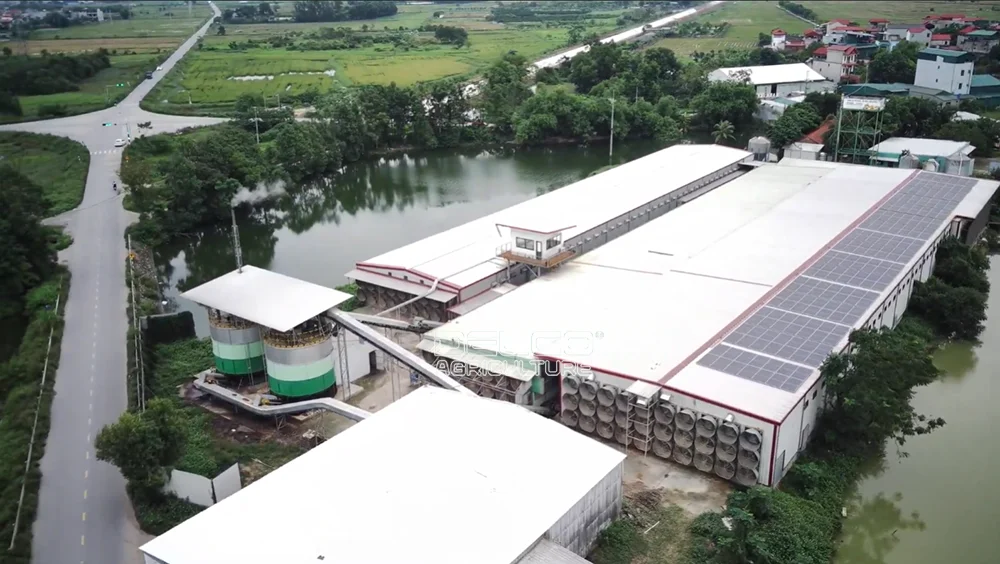
Compost production line using chicken manure by-products at Delco Farm
Circular systems should only be added when scale, environmental, and legal demands call for deeper optimization. If a farm has a long-term vision for a closed-loop circular model, preparation must start early with comprehensive assessments of land planning, legal compliance, economic efficiency, and infrastructure capacity. This approach allows future upgrades to be proactive and less disruptive, avoiding operational bottlenecks as the farm expands. Conversely, if circularity is added late as a supplementary environmental measure, it can easily become a new source of risk for the entire system.
See also: Conditions for effectively implementing closed-loop circular farm model in Northern Vietnam
See also: High-tech farm models suited to land and climate conditions in Northern Vietnam