An efficient circular poultry farming model in Bac Ninh: as the cost of feed, chicks, electricity and labor keeps climbing, many poultry farms are being pushed to restructure the way they operate. Technology, automation and data-driven management are no longer “nice-to-have” options—especially for large-scale farms that need to control costs while keeping output consistent.
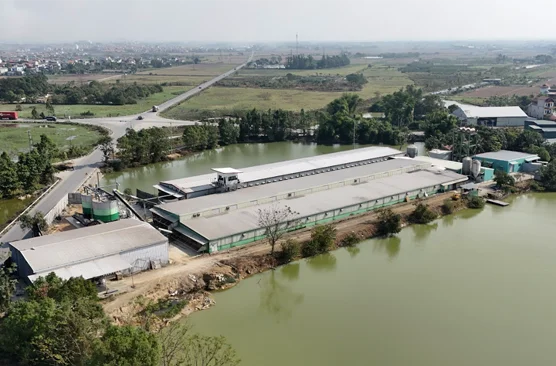
In Thuan Thanh district, Bac Ninh province, DELCO Farm is among the early adopters moving in this direction. The farm has invested in an integrated model where automation and centralized management are built into the system from the start—from the way the houses are designed, to how equipment is operated, to how performance is monitored—aiming for stable quality and long-term cost efficiency.

Building poultry houses around a unified control system
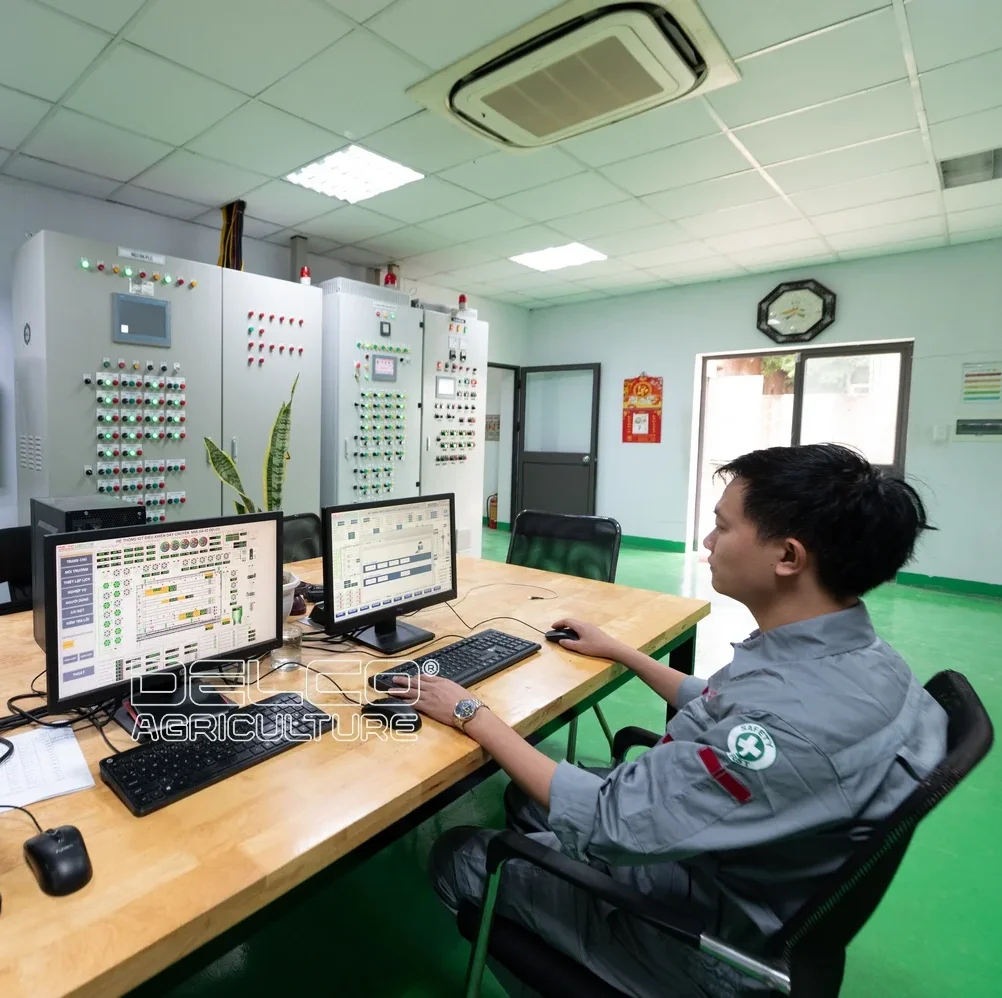
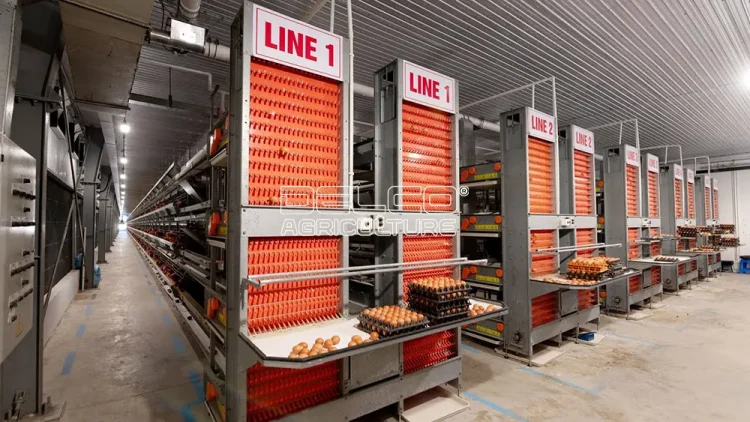
At DELCO Farm, DELCO’s poultry housing system was planned hand-in-hand with the control and automation system. Ventilation, cooling, feeding and drinking, egg collection and lighting are not run as separate, stand-alone units; instead, they are connected under one centralized control platform.
This setup allows the farm to run operations in sync, based on a consistent logic, rather than relying on manual adjustments in each area. The result is fewer operational errors, less dependence on manpower, and more stable rearing conditions over time.
Choosing to own the technology
Instead of depending entirely on off-the-shelf solutions, DELCO Farm developed and integrated its own control system—covering hardware, software and operating logic.

Sensors continuously track key indicators such as temperature, humidity and air quality. The difference lies in what happens next: the data is processed by a control system built by the farm’s technical team, allowing operations to be tailored to each stage of production—so the farm can:
- Set appropriate thresholds for each stage of production
- Automatically adjust equipment in real time based on in-house conditions
- Store data for later analysis and ongoing optimization
By owning the technology, the farm is not locked into fixed configurations typical of imported systems, and can adjust, upgrade or expand more flexibly as its scale changes.
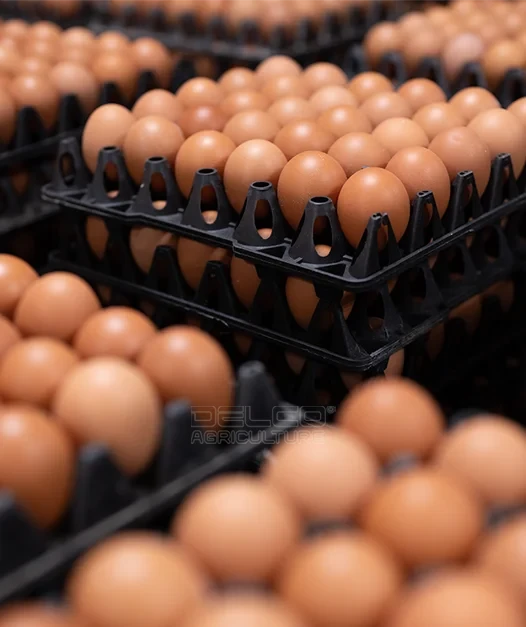
Operational records show the laying rate at DELCO Farm remains around 91–93%, while egg quality stays consistent across production cycles. This is closely linked to tighter, more stable environmental control—helping the flock reduce stress and maintain a steady development rhythm.

Tight production control to protect egg quality
In large-scale poultry farming, product quality is shaped not only by breed and feed, but also by rearing conditions and how production is organized. At DELCO Farm, technology is applied with one core aim: controlling the whole process in a coordinated way—from the barn environment to biosecurity—so egg quality has a stable foundation.
Alongside environmental management, the farm maintains strict biosecurity rules: one-way movement flow, separated functional areas, consistent cleaning and disinfection routines, and controlled access throughout the production cycle. These measures are designed to minimize the risk of pathogens entering the farm and spreading internally.
When both rearing conditions and biosecurity are managed consistently, production becomes less volatile. This helps keep egg quality uniform across batches, meeting growing market expectations for food safety, traceability and increasingly demanding quality standards.
Cutting electricity costs with solar power
DELCO Farm also takes advantage of solar energy by installing panels on poultry-house roofs. The power generated is used for ventilation fans, cooling systems, water pumps and lighting—equipment that consumes a large amount of electricity and often needs to run continuously.
Solar power helps reduce dependence on the grid, especially during hot periods when cooling demand spikes. Output and performance are monitored to quantify the investment’s effectiveness and fine-tune operating plans.
Closing the loop with a circular model
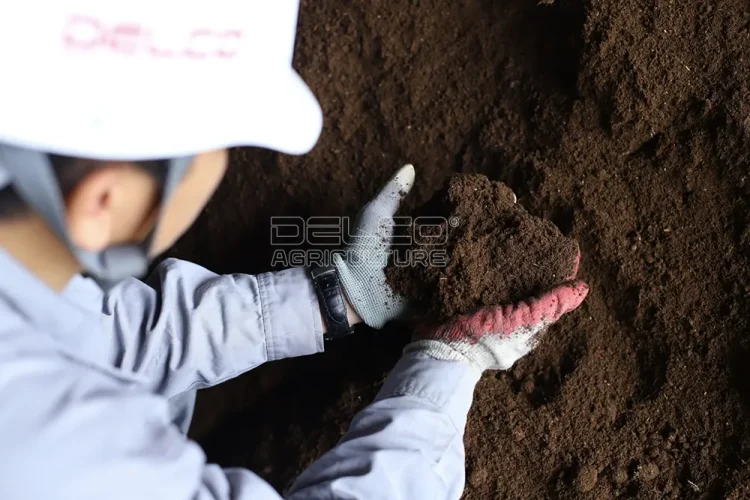
Beyond production, the farm is organized along a circular approach to reduce environmental pressure and make better use of by-products. Each day, large volumes of chicken manure are generated. Rather than paying heavily for collection and treatment, DELCO Farm uses this manure as an input to produce manure-based microbial bio-products.
Manure is collected and transferred to a dedicated fermentation area, mixed with beneficial microorganisms, and processed under controlled conditions. Temperature and humidity sensors continue to track the process so adjustments can be made in time. Thanks to this, the final product maintains stable quality, odor is significantly reduced, and organic matter and beneficial microbes remain at high levels.
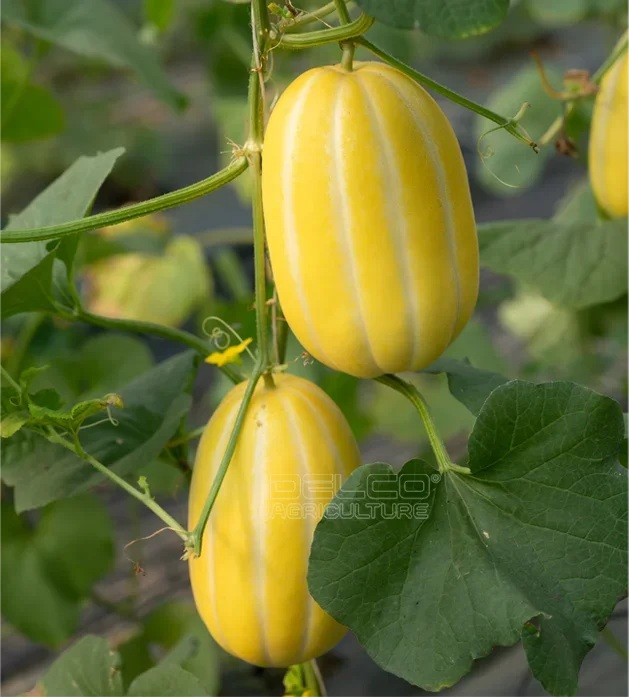
DELCO’s manure-based microbial product has been used across various crop-growing areas in Northern and Central Vietnam—from vegetables to fruit trees and industrial crops. Practical feedback indicates improved soil structure, higher fertility, stronger root systems, better flowering and fruit set, and reduced pest and disease pressure. By replacing part of chemical fertilizer inputs, growers can lower costs while moving toward safer, higher-quality agricultural output.
A practical reference for high-tech livestock farming
As agriculture faces mounting pressure from rising costs, environmental requirements and stricter market standards, models like DELCO Farm offer a concrete, practical direction for large-scale farms looking to invest for the long term.
See more: High-tech farm models suited to land and climate conditions in Northern Vietnam
See more: Conditions for effectively implementing closed-loop circular farm model in Northern Vietnam